
In many advanced countries, December is a season of abundance. Children tear open attractive packages, sometimes filled with gifts that are fleeting or frivolous.
Meanwhile, in Uganda at Destiny Junior School just south of Kampala, Jesca Nakamanyisa, a devoted head teacher, sees a very different reality. Some of her pupils arrive without even proper underwear.
For many girls, the absence of sanitary pads means missing school and falling behind while struggling with a sense of shame.
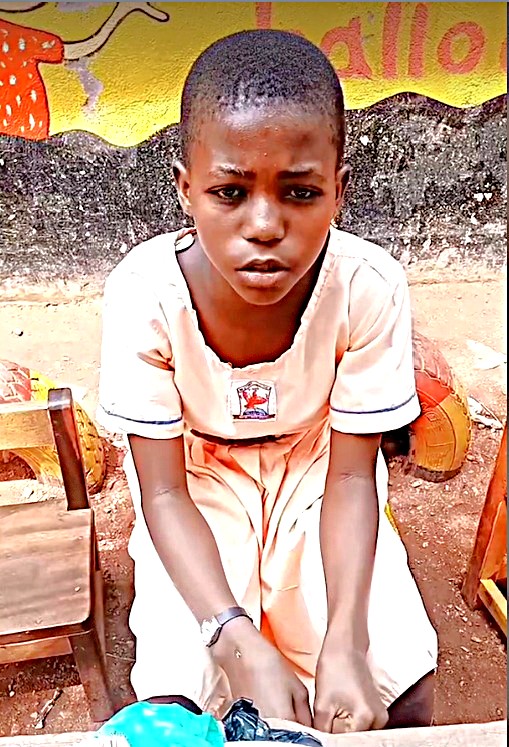
Girls often stay home for days each month because they cannot manage their periods at school. They fall behind, and sometimes they even drop out, Jesca explained.
“We mostly have disadvantaged children with a lot of challenges at home, while some are single parents. We need to keep them fully occupied, and Destiny Junior School has become their home,” she wrote in a recent update.
This is the daily challenge the GirlChild Period Poverty Project (PPP) seeks to confront. With IRFF UK’s support, Jesca has been leading the effort to provide sanitary pads and practical help to the girls of Destiny School and two sister schools. What may seem small – a packet of pads – can represent a new start. It means a girl can stay in class and keep pace with her peers.
Edward Hartley, IRFF UK’s Executive Director, notes that Jesca’s leadership shows us how one determined person can achieve a lot. Tackling period poverty starts with hygiene and opens the way to education and opportunity.
“That’s why we are sending £450 per month for Jesca and her team – so they can provide 960 packs of pads for 480 girls over two months, along with 240 pairs of knickers every two months,” Edward says.
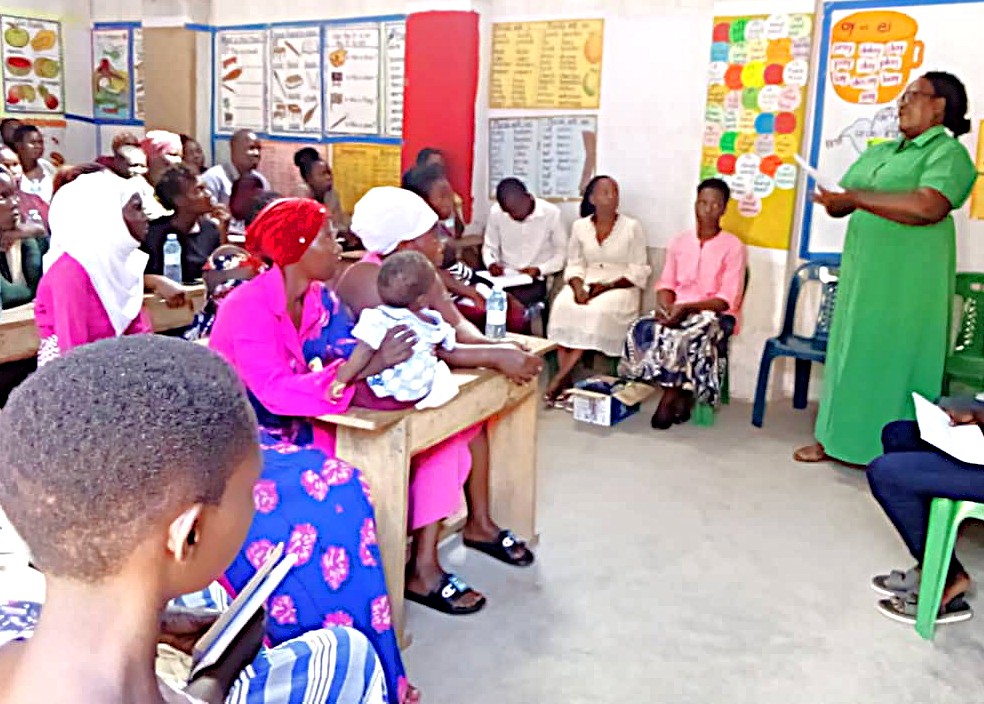
JESCA LEADING A MEETING OF PARENTS - “The parents greatly thank the IRFF team and sponsors for all the support their children are getting,” she says.
IRFF UK is simultaneously supporting period project initiatives in other countries. In South Africa, projects have reached 170 girls since 2022, while in Ghana, Vivian Nkasia’s remarkable work reached 700 schoolgirls before illness forced her to pause.
Our commitment does not stop with period poverty. IRFF UK is considering how we can, in the near future, help equip the school with computers and IT training for 100-200 pupils and their teachers to help meet new education standards that the Ugandan government is introducing.
Jesca explains in her letters: “Our children are intelligent and curious… If they could learn computer skills, they would be ready for jobs, for opportunities, for the future. It would change everything.”
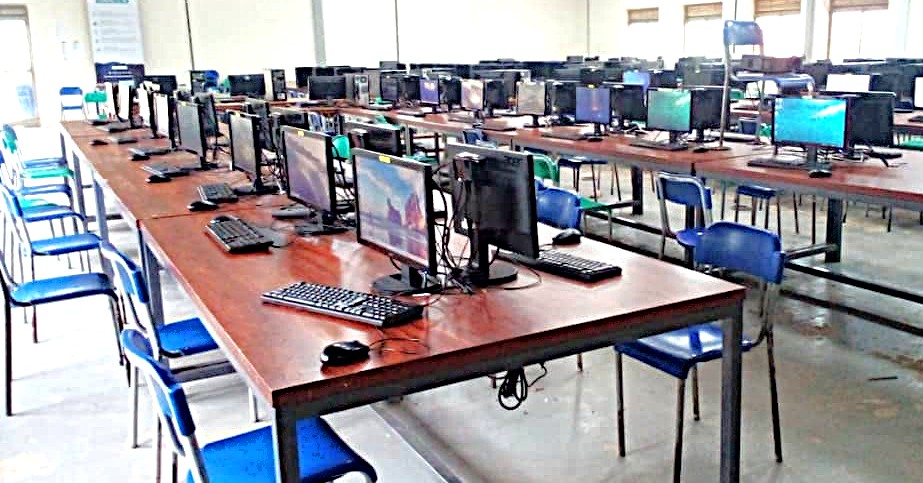
DREAMING OF A COMPUTER LAB - This photo shows a high‑end computer laboratory setup in another facility. "It's not something we can do right now, but it’s the kind of space we’d love to have at Destiny," says Jesca.
You can join this response in any of four ways:
1. Donate if you can: Choose what works for you – a one‑off gift or a monthly donation. Every pound makes a difference. With pads at just 60p each and knickers the same, your £10 can help girls stay in class with confidence.
2. Forward this blog to friends, family, colleagues, or anyone who may care about Jesca’s work.
3. Offer your skills by simply starting a conversation, or contacting our team to suggest the ways you think your skills could help the projects grow.
4. Connect with us on LinkedIn or Facebook
Thank you!
Eddie and the team.
If you are in the UK, consider sending a bank transfer so every last penny goes to IRFF UK:
International Relief Friendship Foundation
Account number: 96497645
Sort Code: 60-05-29